
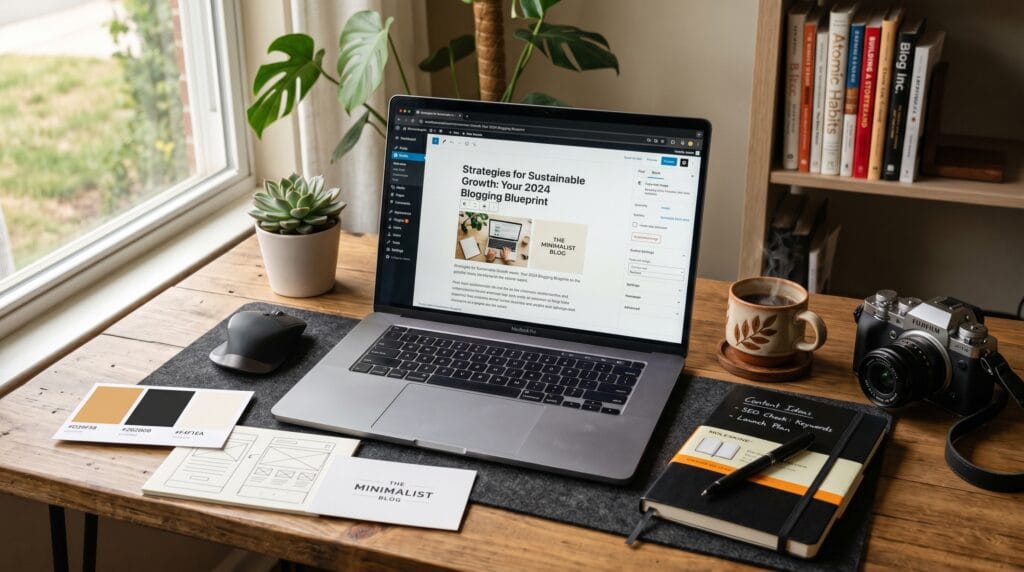
A WordPress website tutorial is one of the best ways for beginners to learn how to create a professional website without advanced coding skills. WordPress powers millions of websites worldwide because it offers flexibility, customization options, and a user-friendly interface suitable for bloggers, small businesses, entrepreneurs, and content creators.
Many people believe building a website requires technical expertise. However, modern WordPress tools make website creation much easier than ever before. With the right approach, anyone can build a blog, portfolio, business website, or online store. A good WordPress website tutorial helps new users understand hosting, themes, plugins, content creation, SEO, and website management.
Whether your goal is starting a personal blog, promoting a business, or creating an online brand, learning WordPress provides valuable long-term benefits. The platform continues to evolve while remaining one of the most popular content management systems available.
This WordPress website tutorial will guide you through the essential steps needed to build, customize, optimize, and launch a successful website.
Why Follow a WordPress Website Tutorial
WordPress offers several advantages for beginners.
A quality WordPress website tutorial helps users:
- Build websites quickly
- Manage content easily
- Improve search visibility
- Customize designs
- Add advanced features
- Scale websites over time
Learning WordPress creates opportunities for long-term online growth.
WordPress Website Tutorial for Choosing a Domain Name
Every website begins with a domain name.
A domain should be:
- Easy to remember
- Relevant to your brand
- Short and simple
- Easy to spell
Choosing the right domain helps support branding and marketing efforts.
Domain Name Tips for Beginners
Helpful guidelines include:
- Avoid complex spellings
- Use recognizable words
- Keep it concise
- Choose a trusted extension such as .com when possible
A strong domain improves credibility.
WordPress Website Tutorial for Selecting Hosting Services
Hosting provides the server resources that make your website accessible online.
Popular hosting features include:
- Fast performance
- Security protection
- Automatic backups
- Technical support
Reliable hosting creates a better user experience.
Hosting Features to Prioritize
Look for:
- SSD storage
- SSL certificates
- Daily backups
- High uptime guarantees
- WordPress optimization
Good hosting contributes to website success.
WordPress Website Tutorial for Installing WordPress
Most hosting providers offer one-click WordPress installation.
The process typically includes:
- Access hosting control panel.
- Select WordPress installer.
- Choose domain name.
- Create administrator account.
- Complete installation.
After installation, you can access the WordPress dashboard.
Understanding the WordPress Dashboard
The dashboard serves as your website control center.
Key sections include:
- Posts
- Pages
- Media Library
- Appearance
- Plugins
- Settings
Learning the dashboard is an important step in every WordPress website tutorial.
WordPress Website Tutorial for Choosing the Right Theme
Themes control website appearance and layout.
A theme affects:
- Design style
- User experience
- Mobile responsiveness
- Performance
Choosing the right theme helps create a professional appearance.
What Makes a Good WordPress Theme
Look for themes that offer:
- Fast loading speed
- Mobile-friendly design
- SEO optimization
- Regular updates
- Customization options
A quality theme provides a strong foundation.
WordPress Website Tutorial for Customizing Website Design
Customization allows you to create a unique brand experience.
Popular customization areas include:
- Colors
- Typography
- Logos
- Layout settings
- Navigation menus
Visual consistency improves professionalism.
Creating Brand Consistency
Maintain consistency through:
- Brand colors
- Font choices
- Logo placement
- Content style
A consistent appearance strengthens recognition.
WordPress Website Tutorial for Creating Essential Pages
Every website should include several important pages.
Examples include:
- Home Page
- About Page
- Contact Page
- Privacy Policy
- Terms and Conditions
These pages improve trust and usability.
Homepage Design Tips
An effective homepage should:
- Explain your purpose clearly
- Highlight key content
- Provide navigation options
- Encourage engagement
First impressions matter.
Also Read: UX/UI Design Meets SEO: A Practical Guide for Websites
WordPress Website Tutorial for Publishing Blog Content
Content remains one of the most important website elements.
WordPress makes publishing simple.
Popular content types include:
- Blog articles
- Tutorials
- Reviews
- Guides
- News updates
Content supports traffic growth and audience engagement.
Writing SEO-Friendly Articles
Helpful practices include:
- Using target keywords naturally
- Writing descriptive headings
- Creating valuable content
- Improving readability
Content quality directly influences performance.
WordPress Website Tutorial for Installing Essential Plugins
Plugins extend WordPress functionality.
Popular plugin categories include:
- SEO tools
- Security plugins
- Backup systems
- Performance optimization
- Contact forms
Plugins help customize websites without coding.
SEO Plugins for Beginners
Useful SEO plugins help with:
- Meta descriptions
- XML sitemaps
- Keyword optimization
- Technical SEO improvements
SEO tools support search visibility.
Security Plugins for Website Protection
Security plugins can help:
- Prevent attacks
- Monitor threats
- Protect login pages
- Block malicious traffic
Security should never be overlooked.
WordPress Website Tutorial for Improving Website Speed
Website speed affects both user experience and search rankings.
Common optimization methods include:
- Image compression
- Caching systems
- Fast hosting
- Lightweight themes
Performance improvements benefit visitors and SEO.
Speed Optimization Best Practices
Helpful techniques include:
- Compress images before uploading
- Minimize unnecessary plugins
- Use caching plugins
- Optimize databases
Fast websites create better experiences.
WordPress Website Tutorial for Understanding SEO Basics
SEO helps websites attract organic traffic.
Effective SEO focuses on:
- Keyword targeting
- Content quality
- Technical optimization
- User experience
SEO remains essential for growth.
On-Page SEO Fundamentals
Important areas include:
- Page titles
- Meta descriptions
- Heading structure
- Internal linking
These elements improve search visibility.
WordPress Website Tutorial for Setting Up Navigation Menus
Navigation helps visitors find information quickly.
Good menus should be:
- Simple
- Organized
- Consistent
- Mobile-friendly
Clear navigation improves usability.
Menu Structure Recommendations
Common menu items include:
- Home
- Blog
- About
- Services
- Contact
Simple structures work best for most websites.
WordPress Website Tutorial for Adding Images and Media
Visual content improves engagement.
WordPress supports:
- Images
- Videos
- Audio files
- PDFs
Media enhances content presentation.
Image Optimization Tips
Before uploading images:
- Resize appropriately
- Compress files
- Use descriptive filenames
- Add ALT text
Optimization improves performance and accessibility.
Also Read: How to Make a Small Business Website: Beginner Guide
WordPress Website Tutorial for Creating Contact Forms
Contact forms help visitors communicate with you.
Benefits include:
- Lead generation
- Customer support
- Business inquiries
Forms simplify communication.
Contact Form Best Practices
Include fields for:
- Name
- Email address
- Message
Keep forms simple to improve completion rates.
WordPress Website Tutorial for Website Security Best Practices
Website security protects data and reputation.
Helpful practices include:
- Strong passwords
- Regular updates
- Security plugins
- Backups
Security should be part of every WordPress website tutorial.
Regular Maintenance Tasks
Website owners should:
- Update plugins
- Update themes
- Monitor performance
- Update WordPress core
Maintenance helps prevent issues.
WordPress Website Tutorial for Backing Up Your Website
Backups protect against unexpected problems.
Backup systems help recover:
- Content
- Settings
- Media files
- Databases
Regular backups reduce risk.
Backup Recommendations
Best practices include:
- Daily backups for active sites
- Offsite storage
- Automatic backup schedules
Preparation improves reliability.
WordPress Website Tutorial for Launching Your Website
Before launch, review:
- Design consistency
- Mobile responsiveness
- SEO settings
- Security measures
- Contact forms
Careful preparation creates a smoother launch.
Final Launch Checklist
Confirm:
- Pages are complete
- Navigation works correctly
- Images display properly
- Links function correctly
- Website loads quickly
A thorough review improves quality.
Common Mistakes New WordPress Users Make
Many beginners encounter avoidable problems.
1. Installing Too Many Plugins
Excessive plugins can reduce performance.
Only install necessary tools.
2. Ignoring Website Security
Security issues can become expensive.
Protect websites from the beginning.
3. Choosing Poor Hosting
Hosting influences speed and reliability.
Quality hosting is worth the investment.
4. Neglecting SEO
Without SEO, content may struggle to attract traffic.
Optimization should begin early.
Future Trends in WordPress Website Development
WordPress continues evolving.
Emerging trends include:
- AI-assisted content creation
- Faster website builders
- Improved security systems
- Advanced SEO automation
- Better user experience tools
These developments will continue improving website creation.
Also Read: Website Launch Checklist: Pre-Launch Setup Made Easy
Final Thoughts on This WordPress Website Tutorial
This WordPress website tutorial demonstrates that building a professional website is achievable even for complete beginners. By selecting quality hosting, choosing the right theme, installing useful plugins, optimizing for SEO, and maintaining strong security practices, users can create websites that support personal and business goals.
The most successful websites combine great content, strong design, fast performance, and consistent maintenance. Whether you are launching a blog, portfolio, company website, or online store, following this WordPress website tutorial will help you build a solid foundation for long-term growth and online success.
For high-quality fonts to boost your income, check out Letter Crafted. Our professional fonts are perfect for branding, marketing, and content creation. So, don’t miss this opportunity.