
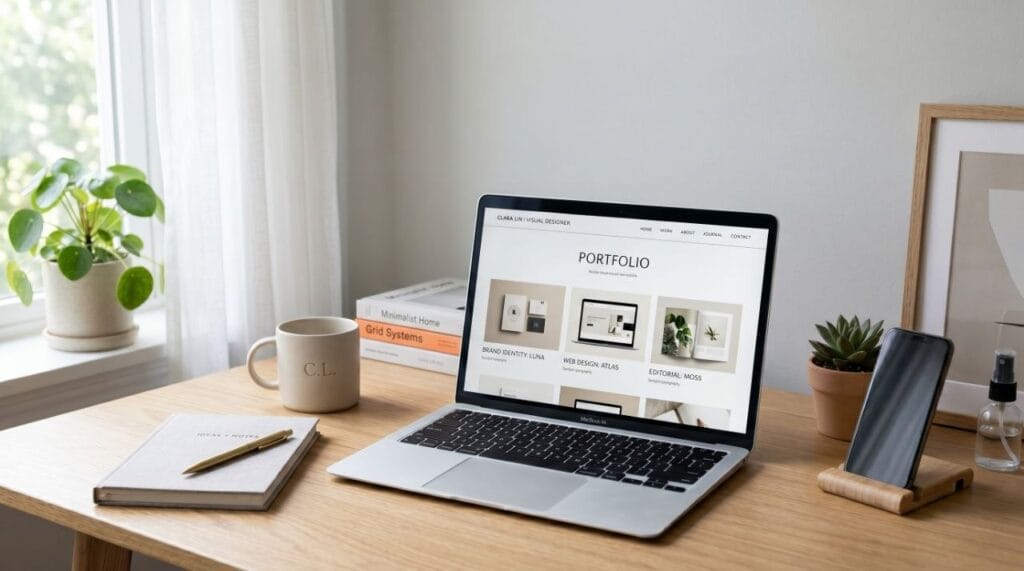
A strong designer portfolio tutorial can help design students transform their creative work into professional opportunities. Whether you are studying graphic design, UI/UX design, branding, illustration, motion graphics, or web design, your portfolio often becomes the most important tool for showcasing your skills. Employers and clients frequently judge a designer’s abilities based on the quality and presentation of their portfolio rather than academic qualifications alone.
Many talented students struggle to organize and present their work effectively. A well-structured portfolio tells a story, demonstrates problem-solving abilities, and highlights creative thinking. Following a proven designer portfolio tutorial helps students understand how to select projects, write case studies, build personal branding, and create a professional presentation that stands out in a competitive market.
A portfolio is more than a collection of images. It is a marketing tool that communicates expertise, personality, and professionalism. By following this designer portfolio tutorial, design students can build a portfolio that supports internships, freelance projects, full-time jobs, and long-term career growth.
Why a Designer Portfolio Tutorial Is Important
A portfolio serves as visual proof of your abilities.
A good designer portfolio tutorial helps students:
- Showcase design skills
- Demonstrate creative thinking
- Build professional credibility
- Attract employers and clients
- Improve personal branding
- Increase career opportunities
Your portfolio often becomes your most valuable career asset.
Designer Portfolio Tutorial in Understanding Portfolio Goals
Before building a portfolio, define its purpose.
Ask yourself:
- Are you applying for jobs?
- Seeking freelance clients?
- Looking for internships?
- Building a personal brand?
Clear goals help shape portfolio decisions.
Identifying Your Target Audience
Different audiences expect different presentations.
Examples include:
- Creative agencies
- Startup companies
- Corporate employers
- Freelance clients
Understanding your audience improves portfolio effectiveness.
Designer Portfolio Tutorial in Selecting Your Best Projects
Project selection is one of the most important steps.
Many students include too much work.
A strong portfolio focuses on quality rather than quantity.
How Many Projects Should You Include?
Most professional portfolios perform well with:
- 5 to 10 strong projects
- Diverse project types
- Clear project outcomes
- Consistent quality standards
Fewer strong projects are often more effective than many average projects.
Designer Portfolio Tutorial in Building Strong Case Studies
Case studies help employers understand your process.
A portfolio should show more than final visuals.
Strong case studies include:
- Project overview
- Objectives
- Research
- Design process
- Final solution
- Results
Case studies demonstrate problem-solving skills.
Case Study Structure for Design Students
A simple structure includes:
Project Background
Explain:
- Client or project context
- Goals
- Challenges
Design Process
Show:
- Sketches
- Wireframes
- Concepts
- Revisions
Final Outcome
Present:
- Final designs
- Mockups
- Results
This structure improves storytelling.
Designer Portfolio Tutorial in Showcasing Graphic Design Projects
Graphic designers should demonstrate versatility.
Popular project categories include:
- Branding
- Packaging
- Posters
- Social media graphics
- Editorial design
Project variety highlights adaptability.
Branding Project Presentation Tips
Include:
- Logo development
- Color systems
- Typography choices
- Brand applications
Branding projects often attract employer attention.
Also Read: Graphic Design Portfolio Tips to Make Your Work Look Pro
Designer Portfolio Tutorial in Creating UX and UI Case Studies
UI and UX designers must demonstrate user-centered thinking.
Strong UX portfolios include:
- Research findings
- User flows
- Wireframes
- Interface designs
- Testing results
Process often matters as much as final visuals.
UX Portfolio Best Practices
Show evidence of:
- Problem solving
- User research
- Design decisions
- Iteration process
These details strengthen credibility.
Designer Portfolio Tutorial in Building a Personal Brand
Your portfolio reflects your professional identity.
Personal branding includes:
- Visual style
- Portfolio tone
- Professional positioning
- Design philosophy
Strong branding helps create memorable impressions.
Creating a Consistent Design Identity
Maintain consistency through:
- Typography systems
- Color palettes
- Layout styles
- Visual hierarchy
Consistency improves professionalism.
Designer Portfolio Tutorial in Portfolio Website Design
Many employers prefer reviewing portfolio websites.
A website provides:
- Accessibility
- Flexibility
- Professional presentation
Portfolio websites often outperform PDF portfolios.
Essential Portfolio Website Pages
Include:
- Homepage
- About Page
- Portfolio Page
- Contact Page
- Resume Page
Clear navigation improves user experience.
Designer Portfolio Tutorial in Writing an Effective About Page
The About page introduces you professionally.
Include:
- Background
- Skills
- Specializations
- Career goals
Keep the content concise and relevant.
What Employers Want to Know
Most employers want to understand:
- Who you are
- What you do
- What problems you solve
Focus on value rather than personal history.
Designer Portfolio Tutorial in Presenting Projects Professionally
Presentation quality affects perception.
Professional presentations often use:
- Clean layouts
- High-quality mockups
- Consistent spacing
- Organized content
Presentation influences credibility.
Using Mockups Effectively
Mockups help visualize designs in real-world contexts.
Examples include:
- Packaging mockups
- Website previews
- Mobile screens
- Business cards
Mockups improve project appeal.
Also Read: Email Marketing Tutorial for Better Marketing Results
Designer Portfolio Tutorial in Optimizing for Job Applications
Portfolios should align with career goals.
Tailor project selections based on:
- Industry
- Position
- Employer expectations
Customization improves relevance.
Portfolio Customization Strategies
Examples include:
- Branding-focused portfolios for branding roles
- UX-focused portfolios for product design jobs
- Illustration-focused portfolios for creative studios
Targeted portfolios often perform better.
Designer Portfolio Tutorial that Including Freelance Projects
Freelance projects can strengthen portfolios.
Benefits include:
- Real client experience
- Business communication examples
- Professional credibility
Client work often demonstrates practical skills.
What to Include From Client Projects
Show:
- Objectives
- Process
- Deliverables
- Outcomes
Results add credibility.
Common Mistakes in Designer Portfolio
Many design students make avoidable errors.
1. Including Weak Projects
Remove projects that do not represent your current skill level.
Every project should strengthen your portfolio.
2. Ignoring Process Documentation
Employers want to understand how you think.
Show research and development stages.
3. Overcomplicating Navigation
Keep portfolio websites simple and intuitive.
User experience matters.
4. Using Low-Quality Images
Visual presentation affects perception.
Use high-resolution assets whenever possible.
Best Tools for Designer Portfolio Creation
Several tools help designers build professional portfolios.
1. Adobe Portfolio
Useful for:
- Portfolio websites
- Creative project presentation
- Easy customization
2. Behance
Helpful for:
- Project exposure
- Networking
- Portfolio publishing
3. WordPress
Useful for:
- Custom portfolio websites
- Personal branding
- SEO optimization
4. Webflow
Helpful for:
- Professional portfolio design
- Advanced customization
- Responsive websites
Designer Portfolio Trends for Modern Designers
Portfolio design continues evolving.
Current trends include:
- Minimal layouts
- Interactive case studies
- Motion design integration
- Personalized storytelling
- Mobile-first presentation
Modern portfolios focus on user experience.
Future Portfolio Development Trends
Emerging trends include:
- AI-assisted portfolio creation
- Interactive prototypes
- Video case studies
- Dynamic project presentations
Innovation continues changing portfolio expectations.
Designer Portfolio Tutorial with Building Confidence Through Practice
A portfolio is never completely finished.
Successful designers regularly:
- Update projects
- Improve case studies
- Refine presentations
- Add new work
Continuous improvement strengthens career opportunities.
Also Read: How to Make a Small Business Website: Beginner Guide
Final Thoughts on This Designer Portfolio Tutorial
This designer portfolio tutorial demonstrates that a successful portfolio requires more than attractive visuals. Strong portfolios combine strategic project selection, thoughtful case studies, clear storytelling, and professional presentation. They show employers and clients not only what you created but also how you think and solve problems.
By following this designer portfolio tutorial, design students can build a portfolio that supports internships, freelance work, job applications, and long-term professional growth. A well-crafted portfolio becomes a powerful tool for demonstrating skills, building credibility, and opening doors to exciting creative opportunities.
For high-quality fonts to boost your income, check out Letter Crafted. Our professional fonts are perfect for branding, marketing, and content creation. So, don’t miss this opportunity.