
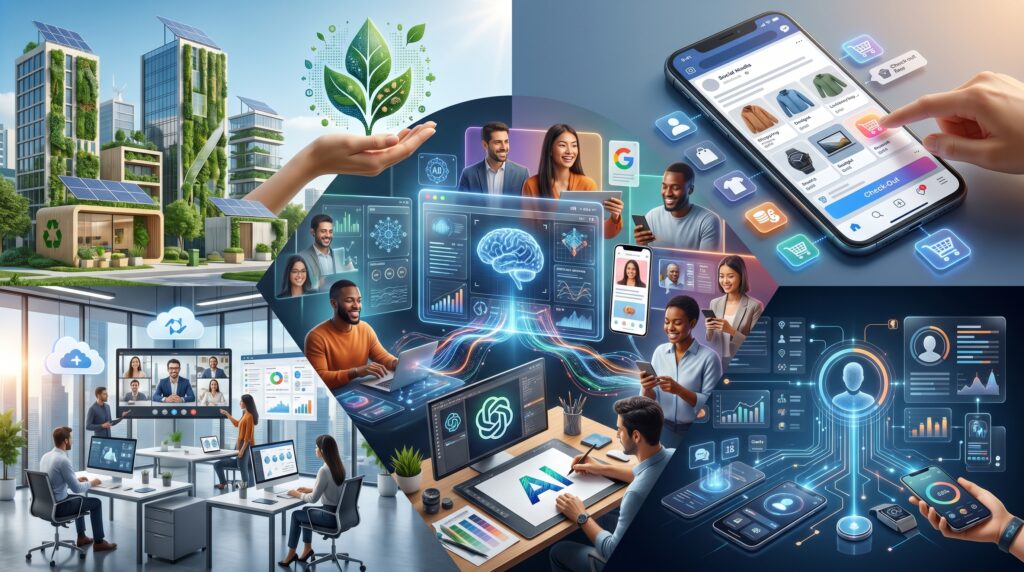
Successful branding in 2026 is no longer limited to logos, colors, and visual identity systems. Modern brands compete in an environment shaped by artificial intelligence, digital communities, personalized experiences, and rapidly changing customer expectations. As consumers gain access to more choices than ever before, businesses must focus on creating memorable brand experiences that build trust and foster long-term relationships.
The landscape of branding in 2026 continues evolving as technology transforms how companies communicate with customers. Brands are expected to be authentic, transparent, and consistent across every touchpoint. Customers increasingly support businesses that align with their values while delivering meaningful experiences.
Whether you run a startup, ecommerce business, SaaS company, agency, or personal brand, understanding the latest branding strategies can help you remain competitive. Effective branding influences customer perception, improves recognition, and supports long-term growth.
This guide explores the most important trends, techniques, and opportunities shaping branding in 2026 and how businesses can use them to achieve sustainable growth.
Why Branding in 2026 Matters More Than Ever
Competition continues increasing across nearly every industry.
Strong branding in 2026 helps businesses:
- Build customer trust
- Improve recognition
- Increase loyalty
- Differentiate from competitors
- Support premium pricing
- Strengthen customer relationships
Brands that invest in identity and experience often achieve stronger growth.
Branding in 2026 and the Rise of Authenticity
Authenticity has become a major competitive advantage.
Consumers increasingly prefer brands that are:
- Transparent
- Honest
- Consistent
- Human-centered
Authenticity creates emotional connections.
Building Authentic Brand Experiences
Brands can improve authenticity by:
- Sharing real stories
- Showing company values
- Maintaining transparency
- Communicating consistently
Trust grows when actions align with messaging.
Branding in 2026 Through Customer Experience
Customer experience is now a core part of branding.
Every interaction influences brand perception.
Examples include:
- Website experiences
- Customer support
- Product quality
- Social media engagement
Experience often defines reputation.
Creating Consistent Brand Touchpoints
Consistency across channels helps reinforce identity.
Important touchpoints include:
- Websites
- Email marketing
- Social media
- Customer service
Consistency strengthens recognition.
Branding in 2026 and Personalization
Customers increasingly expect personalized experiences.
Modern brands use data to provide:
- Relevant recommendations
- Personalized messaging
- Customized offers
- Tailored experiences
Personalization improves engagement.
Benefits of Personalized Branding
Brands often experience:
- Higher customer satisfaction
- Improved retention
- Better conversion rates
- Stronger loyalty
Relevant experiences create value.
Branding in 2026 With Artificial Intelligence
Artificial intelligence is influencing branding strategies.
AI helps businesses:
- Analyze customer behavior
- Generate content
- Personalize campaigns
- Improve decision-making
Technology supports more efficient branding.
AI-Powered Brand Management
Organizations increasingly use AI for:
- Content planning
- Audience analysis
- Customer insights
- Campaign optimization
AI helps brands scale effectively.
Branding in 2026 and Community Building
Communities have become powerful brand assets.
Customers often trust communities more than advertisements.
Strong communities encourage:
- Advocacy
- Engagement
- Loyalty
- Word-of-mouth marketing
Community-driven brands often grow faster.
Building a Brand Community
Effective strategies include:
- Hosting discussions
- Encouraging participation
- Creating exclusive content
- Supporting customer interaction
Communities strengthen relationships.
Branding in 2026 Through Content Marketing
Content remains one of the most effective branding tools.
Quality content helps brands:
- Educate audiences
- Demonstrate expertise
- Build authority
- Improve visibility
Content influences perception.
Content Types Supporting Brand Growth
Popular formats include:
- Blog articles
- Videos
- Podcasts
- Social media posts
- Newsletters
Consistent content supports awareness.
Also Read: Best AI Branding Tools for Building a Strong Brand Identity
Branding in 2026 and Visual Identity Systems
Visual identity remains important.
Strong visual systems include:
- Logos
- Typography
- Color palettes
- Graphic elements
Visual consistency improves recognition.
Modern Brand Design Trends
Current trends include:
- Minimalist identities
- Flexible design systems
- Responsive logos
- Digital-first branding
Adaptability has become essential.
Branding in 2026 for Ecommerce Businesses
Ecommerce brands face intense competition.
Strong branding helps businesses:
- Differentiate products
- Build trust
- Increase repeat purchases
Brand perception influences buying decisions.
Ecommerce Branding Strategies
Examples include:
- Premium packaging
- Strong storytelling
- Consistent customer experiences
- Personalized communication
Branding extends beyond products.
Branding in 2026 for Startups
Startups often compete against larger companies.
Effective branding can create advantages.
Strong startup brands focus on:
- Clear positioning
- Unique value propositions
- Memorable messaging
Clarity helps attract customers.
Startup Brand Positioning
Positioning should communicate:
- Who you serve
- What you offer
- Why it matters
Simple messaging often performs best.
Branding in 2026 and Brand Storytelling
Stories help brands become memorable.
Customers connect with narratives more easily than facts.
Storytelling can communicate:
- Mission
- Values
- Vision
- Customer impact
Stories create emotional engagement.
Elements of Effective Brand Stories
Strong stories often include:
- Challenges
- Solutions
- Transformation
- Purpose
Authentic stories build stronger connections.
Branding in 2026 Through Thought Leadership
Thought leadership helps establish authority.
Brands share expertise through:
- Articles
- Reports
- Webinars
- Educational content
Expertise builds credibility.
Benefits of Thought Leadership
Organizations often gain:
- Increased trust
- Industry recognition
- Higher visibility
- Better customer relationships
Authority strengthens brands.
Branding in 2026 and Employee Advocacy
Employees increasingly influence brand perception.
Internal culture affects external reputation.
Companies benefit when employees:
- Share company values
- Promote positive experiences
- Engage with communities
Employee advocacy supports growth.
Creating Brand Ambassadors
Organizations can encourage advocacy through:
- Strong culture
- Open communication
- Employee recognition
Positive experiences inspire participation.
Also Read: Brand Voice 2026: The Best Voice Styles for 2026 Brands
Branding in 2026 and Sustainability
Consumers increasingly care about sustainability.
Brands that demonstrate responsibility often gain trust.
Examples include:
- Sustainable packaging
- Ethical sourcing
- Environmental initiatives
Responsibility influences purchasing decisions.
Communicating Sustainability Authentically
Brands should:
- Share measurable actions
- Avoid exaggerated claims
- Provide transparency
Authenticity remains critical.
Branding in 2026 and Customer Trust
Trust remains one of the most valuable brand assets.
Businesses build trust through:
- Reliability
- Transparency
- Consistency
- Quality
Trust influences long-term success.
Trust-Building Strategies
Examples include:
- Honest communication
- Customer reviews
- Responsive support
- Reliable products
Trust develops over time.
Branding in 2026 and Omnichannel Experiences
Customers interact with brands across multiple platforms.
Omnichannel branding ensures consistency.
Channels include:
- Websites
- Mobile apps
- Social media
- Email marketing
- Physical locations
Unified experiences strengthen recognition.
Why Omnichannel Branding Matters
Benefits include:
- Better customer journeys
- Increased loyalty
- Improved engagement
Consistency improves experiences.
Common Mistakes of Branding in 2026
Many businesses make avoidable branding errors.
1. Inconsistent Messaging
Conflicting messages create confusion.
Consistency is essential.
2. Ignoring Customer Feedback
Customer insights should guide improvements.
Listening strengthens relationships.
3. Following Trends Without Strategy
Not every trend fits every brand.
Strategic alignment matters.
4. Prioritizing Design Over Experience
Visual identity alone cannot create strong brands.
Customer experience remains critical.
Future Trends Influencing Branding in 2026
Several developments continue shaping the future.
Emerging trends include:
- AI-powered personalization
- Community-led growth
- Interactive brand experiences
- Digital brand ecosystems
- Hyper-personalized content
- Experience-driven marketing
Adaptability will remain important.
How Businesses Can Improve Branding in 2026
To strengthen branding in 2026:
- Define clear positioning.
- Understand customer needs.
- Create consistent experiences.
- Invest in community building.
- Leverage technology strategically.
- Measure brand performance regularly.
Continuous improvement supports growth.
Also Read: How to Improve Social Media Branding for Growth
Final Thoughts on Branding in 2026
Successful branding in 2026 requires more than attractive visuals. Modern brands must build trust, create meaningful experiences, and establish authentic relationships with customers. As technology, consumer behavior, and market conditions continue evolving, businesses that remain adaptable will be best positioned for long-term success.
The strongest branding in 2026 strategies combine authenticity, personalization, customer experience, community engagement, and consistent communication. By focusing on these areas, brands can increase visibility, strengthen loyalty, and achieve sustainable business growth in an increasingly competitive marketplace.
For high-quality fonts to boost your income, check out Letter Crafted. Our professional fonts are perfect for branding, marketing, and content creation. So, don’t miss this opportunity.